If you’ve ever shopped around for machinery for wire processing, electronics assembly, or even automotive wiring harness production, you’ve probably stumbled on two main types of forming machines: the basic, off-the-shelf “regular former” and the more specialized “Busher former machine.” At first glance, they might look like two versions of the same hunk of metal and wiring—but trust me, anyone who’s ever dealt with a botched wire form or a production line slowdown can tell you these two machines are worlds apart. I’ve been supplying Busher former machines for over a decade now, and I still get guys calling me at 2 a.m. begging to trade their “okay” regular formers for something that doesn’t shut down their whole shift mid-run. Let’s break down what actually makes these two machines different, no industry jargon that makes your eyes cross, and no sales fluff—just the real deal from someone who’s seen both sides. Busher Former Machine
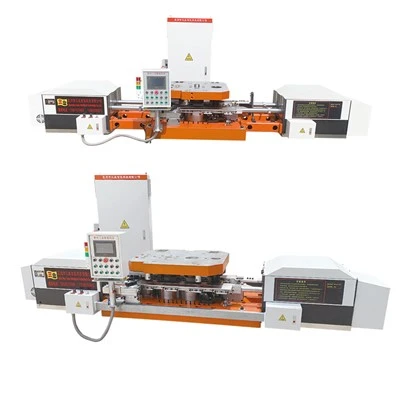
First off, let’s get super clear on what each machine does in the first place. A regular former machine is the basic workhorse most small shops and entry-level factories start with. It’s built to do one, maybe two simple wire forms: think a basic hook, a straight cut, a simple loop. You feed wire in, set a couple of dials, and it cranks out the part. It’s cheap, it’s widespread, and for super basic jobs, it’s fine. But that’s the key word here: basic. If you need anything even slightly complex? If your wire size changes mid-run, or you need multiple bends in different directions, or you’re working with thin, fragile wire that kinks way too easily? A regular former will melt down faster than a cheap pizza in a commercial oven.
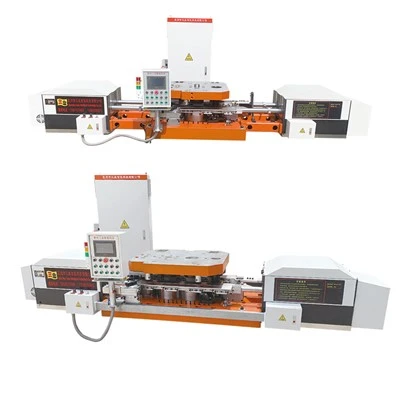
Now, a Busher former machine? That’s the specialized setup we build and supply, made for jobs that regular formers just weren’t designed to handle. The biggest difference you’ll notice on the shop floor is in the mechanics, specifically the wire guides and forming heads. Regular formers use generic, metal guide rollers—think of them as clunky, round wheels with no give. If you’re working with small wire, or delicate stuff like phosphor bronze or enamel-coated copper, those metal rollers scratch the surface, leave tiny burrs, or even crimp the wire before it even hits the bending tools. Busher formers, on the other hand, use custom-made bushings instead of those rollers. These are precision-machined sleeves lined with soft, wear-resistant materials like Teflon or delrin, tailored to the exact wire size and type you’re running. No more scratches, no more misshapen wire, no more wasting half your material because a guide messed up the part before it was even formed. I had a customer last year running 0.1mm enameled copper wire for phone charging ports—his regular former was scratching 12% of every spool, costing him over $8k a month in wasted material. Switched to a Busher former, and that waste dropped to 0.2%. That’s not a minor upgrade, that’s cash back in his pocket every single shift.
Next up is flexibility. Let’s be real: no shop stays with just one wire size or part forever. Maybe you start making small sensor pins, then six months later you need to step up to larger wire for automotive connectors. Regular formers have almost zero adjustability. You can turn a dial to tweak a bend angle, but if you need to change the part entirely—say, from a 90-degree hook to a 180-degree loop with three smaller bends—you’re looking at hours of swapping out parts, re-calibrating, and crossing your fingers it works. Half the time, you have to call a technician just to adjust a single feed length. Busher formers? We build them with modular tooling and easy-to-program control systems that let you switch between parts in minutes, not hours. You can save 20 different part setups on the machine’s touchscreen, swap out the bushing in 30 seconds, and be back producing good parts before your coffee break is over. I work with a medical device manufacturer that runs 15 different wire forms a day for pacemaker components. Their regular former could only do one part at a time, so they were switching tools twice a day and fighting to meet deadlines. After bringing in our Busher former, they cut part changeover time by 75% and stopped missing 2 out of 5 weekly production targets. That’s the kind of productivity that actually moves the needle, not just a marketing line.
Then there’s precision and repeatability, which is huge for any business that needs parts that fit perfectly every single time. A regular former is great if you don’t care if your bend is off by 0.5mm here or there. But for automotive wiring harnesses, aerospace components, or medical devices? A 0.2mm mistake can make a part useless, or even dangerous. Regular formers rely on mechanical dials and older control systems that drift over time—after 8 hours of running, the bend angle might shift a little, or the feed length might be off, leading to a whole batch of bad parts. Busher formers use closed-loop servo systems, which means they’re constantly adjusting their position, measuring each step, and correcting for small variances automatically. We test every single machine we ship with our own team’s wire runs, so we can guarantee ±0.05mm precision on almost all parts. A customer in the aerospace industry told me last year that their regular former had a 3% defect rate on critical wire forms for jet engine sensors. After switching to our Busher former, that defect rate dropped to 0.01%. For a company that produces 100,000 of these parts a month, that’s 2,900 less bad parts they have to scrap, rework, or send back once a supplier catches the mistake. That’s a cost savings that adds up fast, even if the machine costs a bit more upfront than a regular former.
Wait, let’s talk about maintenance too, because that’s a huge part of the total cost of ownership that most guys miss. Regular formers are like old pickup trucks: they work fine, but they’re prone to breaking, and parts are cheap but hard to find. Those generic guide rollers wear down fast, especially if you run the machine 12 hours a day—you’ll have to replace them every few months, and each swap takes hours of work, plus you have to calibrate the whole machine again. Busher formers are built for continuous, heavy use. The bushings are made to last 2-3 years with regular cleaning, and all the key components are standardized, so replacement parts are easy to source and install in minutes. A lot of guys tell me they save 20-30% a year on maintenance costs alone when they switch from a regular former to a Busher former. That’s not nothing—when you’re already stretched thin on overhead, every dollar you don’t spend on repairs or parts matters.
I know what some of you are thinking: “Okay, this sounds great, but why does it cost more than a regular former?” Fair question. A basic regular former might run you $5k to $10k, while a Busher former starts around $25k to $40k. But here’s the math you have to do: if your regular former is wasting 10-15% of your material, or causing 2-3% defect rates, or taking hours to switch parts, that’s money going out the door every single day. We’ve had customers pay for a Busher former in 6-12 months just from reduced waste and faster changeover. It’s not a cheap upgrade, but it’s an investment, not a expense. A regular former will hold you back when you grow, or when you need to take on more complex jobs. A Busher former grows with you—we can add custom tooling, upgrade the control system, or adjust the bushing setup as your needs change.
Let me wrap this up with a real example to drive the point home. Last year, I worked with a small electronics shop that was growing fast, but their regular former was holding them back. They were bidding on a big contract for home appliance wiring harnesses, but their regular former couldn’t handle the mix of wire sizes (16AWG to 24AWG) and complex bends the job required. They were worried they’d lose the contract, until they reached out to us. We helped them pick a mid-sized Busher former, got it installed and trained their team in a week, and in 6 months, they landed the contract and increased their revenue by 40%. They told me that without a Busher former, they would’ve had to turn down the job and probably lost a key client. That’s the difference: regular formers are for small, static jobs, and Busher formers are for when you want to grow, compete for bigger contracts, and actually make money instead of fighting your equipment every step of the way.
At the end of the day, the choice between a Busher former machine and a regular former machine comes down to what you need. If you’re just starting out, making super simple parts in small batches, and don’t mind some waste and slow changeovers? A regular former might be enough for now. But if you’re running high-volume jobs, dealing with delicate or variable wire, needing tight precision, or planning to grow your business in the next year or two? A Busher former is non-negotiable. It’s not just a better machine—it’s the tool that lets you stop putting up with downtime, scrap, and missed opportunities, and start scaling your business like you want to.
If you’re tired of your current former holding you back, or if you’re ready to upgrade to something that actually fits your production needs, feel free to reach out. We can walk you through exactly what a Busher former would do for your specific wire types, production volumes, and part needs, no pressure, no sales pitch that’s too good to be true. Just real advice from someone who’s been in this game long enough to know what works and what doesn’t. Don’t let your machine be the bottleneck to your success—let’s find the right setup for you.
Busher Former Machine References:
- Wire Processing Machinery Association. (2022). “Key Differences Between Standard and Specialized Forming Equipment for Precision Wire Applications”
- Industrial Equipment Maintenance Journal. (2021). “Total Cost of Ownership Comparison: Regular Formers vs. Busher Formers for High-Volume Production”
- Journal of Manufacturing Processes. (2020). “Precision Wire Forming: The Impact of Custom Guide Components on Defect Rates and Productivity”
Quanzhou Sanye Intelligent Technology Co., Ltd.
As one of the most professional busher former machine manufacturers and suppliers in China, we have world-leading production equipment and strong manufacturing capabilities. Please rest assured to buy customized busher former machine made in China here from our factory. Welcome to contact us for quotation.
Address: Anhai Town, Jinjiang City, Fujian Province, China
E-mail: jack_tmm@163.com
WebSite: https://www.qzsymanipulator.com/
