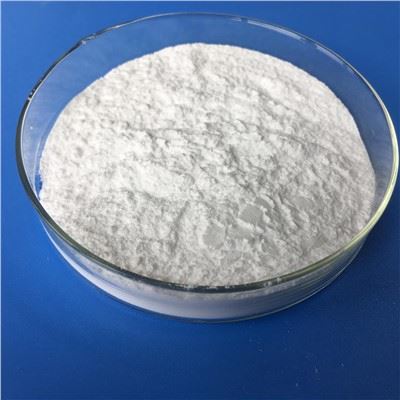
As a supplier of ferrous sulfate, I’ve witnessed firsthand the widespread use of this essential mineral supplement in various industries. Ferrous sulfate, commonly known as iron(II) sulfate, is a compound with a long – standing history of use in treating iron deficiency anemia and as a key ingredient in fertilizers, water treatment, and more. While its immediate benefits are well – recognized, it’s crucial to delve into the long – term effects of taking ferrous sulfate, both in the context of human health and other applications. Ferrous Sulfate
Long – term Effects on Human Health
Positive Effects
One of the most significant long – term advantages of taking ferrous sulfate in humans is the reversal of iron deficiency anemia. Iron is an essential component of hemoglobin, the protein in red blood cells that transports oxygen from the lungs to the rest of the body. When iron levels are low, the body struggles to produce enough healthy red blood cells, leading to fatigue, weakness, shortness of breath, and other symptoms of anemia.
Over time, consistent supplementation with ferrous sulfate can gradually increase iron stores in the body. As iron levels rise, the bone marrow is able to manufacture more red blood cells, improving oxygen delivery throughout the body. This results in increased energy levels, reduced fatigue, and an overall improvement in well – being.
Scientific studies have demonstrated that long – term use of ferrous sulfate can lead to a normalization of iron – related blood parameters, such as hemoglobin, hematocrit, and serum ferritin levels. Ferritin, in particular, serves as a marker of the body’s iron stores. With continued supplementation, ferritin levels can gradually rise to a healthy range, indicating that the body has sufficient iron reserves to meet its ongoing needs.
In addition to treating anemia, iron is also important for cognitive development and function. Adequate iron levels are necessary for the normal development of the central nervous system in children and can enhance concentration, memory, and learning ability. Long – term iron supplementation in children at risk of iron deficiency has been associated with improved cognitive performance over time.
Negative Effects
However, taking ferrous sulfate over the long term is not without potential drawbacks. One of the most common side effects is gastrointestinal discomfort. Iron can be irritating to the stomach lining and intestines, leading to symptoms such as nausea, vomiting, constipation, or diarrhea. These symptoms can be persistent for some individuals, and in severe cases, they may even cause patients to discontinue the supplementation.
Excessive iron accumulation, known as iron overload, is another serious concern. While the body has mechanisms to regulate iron absorption, long – term, high – dose ferrous sulfate intake can overwhelm these regulatory systems. Iron overload can damage various organs, including the liver, heart, and pancreas. Over time, it can lead to conditions such as liver cirrhosis, heart failure, and diabetes.
Patients with certain genetic disorders, such as hemochromatosis, are particularly at risk because they have an increased tendency to absorb and store iron. For these individuals, even normal – dose ferrous sulfate supplementation can exacerbate their iron overload and cause long – term health problems.
Long – term Effects in Agricultural Applications
Positive Effects
In the agricultural sector, ferrous sulfate is widely used as a fertilizer. One of the primary long – term benefits is its role in correcting iron deficiency in plants. Iron is an essential micronutrient for plants, playing a vital part in chlorophyll synthesis and various enzymatic reactions. When soil is deficient in iron, plants may exhibit symptoms such as chlorosis (yellowing of leaves), stunted growth, and reduced yields.
Applying ferrous sulfate to the soil over the long term can gradually increase iron availability to plants. This helps in maintaining healthy foliage and promoting overall plant growth. In fruit – bearing plants, long – term use of ferrous sulfate can enhance fruit quality and quantity. Research has shown that regular application of iron – containing fertilizers like ferrous sulfate can lead to increased sugar content, better color development, and longer shelf life of fruits.
Moreover, ferrous sulfate can also have a beneficial impact on soil quality over time. It can help in adjusting soil pH in certain alkaline soils by undergoing chemical reactions that release acidic substances. This can create a more favorable environment for plant growth, as many plants prefer slightly acidic to neutral soil conditions.
Negative Effects
Despite the benefits, long – term use of ferrous sulfate in agriculture can also have negative consequences. Excessive application can lead to an imbalance of nutrients in the soil. Iron can interact with other essential elements such as phosphorus, zinc, and manganese, reducing their availability to plants. This can result in nutrient deficiencies in plants, even if the soil is rich in these nutrients.
Another concern is the potential for environmental pollution. When ferrous sulfate is applied in large quantities, some of the iron can leach into groundwater or surface water. High levels of iron in water bodies can cause aesthetic problems, such as discoloration and turbidity. It can also have a negative impact on aquatic life, affecting the growth and survival of fish, invertebrates, and aquatic plants.
Long – term Effects in Water Treatment
Positive Effects
In water treatment, ferrous sulfate is used as a coagulant and flocculant. Its long – term use can effectively remove impurities such as suspended solids, colloids, and some heavy metals from water. By forming insoluble complexes with these contaminants, ferrous sulfate helps in their precipitation and subsequent removal from the water.
Over time, consistent use of ferrous sulfate in water treatment facilities can improve the quality of treated water. This is particularly important for ensuring the safety of drinking water. It can reduce the risk of water – borne diseases by removing harmful microorganisms and contaminants that may be present in raw water sources.
Moreover, ferrous sulfate is relatively inexpensive compared to some other water treatment chemicals. This makes it a cost – effective option for long – term water treatment, especially in areas with limited financial resources.
Negative Effects
However, long – term use of ferrous sulfate in water treatment can also pose challenges. One of the main issues is the production of iron – containing sludge. As ferrous sulfate reacts with contaminants in water, it forms a sludge that needs to be disposed of properly. Improper disposal of this sludge can lead to environmental contamination, as it may contain heavy metals and other pollutants.
In addition, the oxidation of ferrous iron to ferric iron during the water treatment process can cause the formation of rust – colored deposits in pipes and distribution systems over time. These deposits can reduce the flow capacity of pipes and may require additional maintenance to remove.
Conclusion
The long – term effects of taking ferrous sulfate are complex and multifaceted, with both positive and negative aspects depending on the application. In human health, it can be a life – saving treatment for iron deficiency anemia, but it also carries the risk of gastrointestinal discomfort and iron overload. In agriculture, it can improve plant growth and soil quality, yet excessive use can lead to nutrient imbalances and environmental pollution. In water treatment, it is an effective and cost – efficient option, but it can generate sludge and cause pipe – related problems.
As a supplier of ferrous sulfate, I understand the importance of providing high – quality products and ensuring that our customers are well – informed about the proper use of ferrous sulfate. Whether you are a pharmaceutical company, a farmer, or a water treatment facility, we are committed to helping you make the most of the benefits of ferrous sulfate while minimizing the potential risks.
If you are interested in sourcing ferrous sulfate for your specific needs, we invite you to reach out to us to discuss your requirements. Our team of experts is ready to provide you with detailed information and support to ensure that you make the best purchasing decision.
Magnesium Carbonate References
- Guyton, Arthur C., and John E. Hall. Textbook of Medical Physiology. Elsevier, 2015.
- Marschner, Horst. Mineral Nutrition of Higher Plants. Academic Press, 2012.
- AWWA (American Water Works Association). Water Quality and Treatment: A Handbook of Community Water Supplies. McGraw – Hill, 2017.
Jiangsu Kolod Food Ingredients Co., Ltd.
As one of the most professional ferrous sulfate manufacturers and suppliers in China, we’re featured by quality products and good price. Please rest assured to wholesale bulk ferrous sulfate made in China here and get free sample from our factory. Customized orders are welcome.
Address: South Side of Weier Road, Guanyun Development Zone, Lianyungang City, Jiangsu Province, China
E-mail: sales1399@jskolod.com
WebSite: https://www.kolod-group.com/
