As a seasoned hex bolt supplier in the fastener industry, I’ve encountered numerous queries from clients regarding the proper matching of nuts with hex bolts. It’s a crucial aspect that often gets overlooked, yet it significantly impacts the performance and safety of any project. In this blog, I’ll share my expertise on how to match nuts with hex bolts effectively. Hex Bolt
Understanding the Basics of Hex Bolts and Nuts
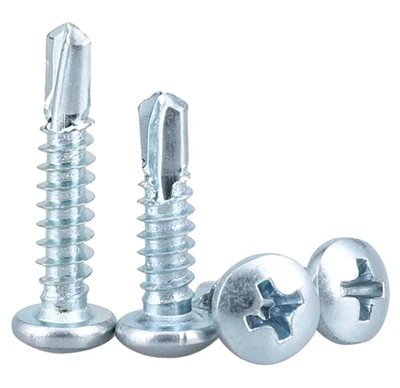
Before delving into the matching process, it’s essential to have a clear understanding of hex bolts and nuts. Hex bolts are externally threaded fasteners with a hexagonal head. They are designed to be inserted through holes in multiple components and secured with a nut on the opposite side. The hexagonal head allows for easy tightening and loosening using a wrench or socket.
Nuts, on the other hand, are internally threaded fasteners that mate with the external threads of the hex bolt. They come in various shapes and sizes, but the most common type is the hexagonal nut, which corresponds to the shape of the hex bolt head. The primary function of a nut is to provide a secure connection by clamping the components together.
Key Factors to Consider When Matching Nuts with Hex Bolts
Thread Size and Pitch
The thread size and pitch are the most critical factors when matching nuts with hex bolts. The thread size refers to the diameter of the bolt and the corresponding internal diameter of the nut. It is typically measured in millimeters (mm) or inches. For example, a common thread size for hex bolts is M8, which means the bolt has a diameter of 8 mm.
The pitch, on the other hand, refers to the distance between adjacent threads. It is also measured in millimeters or inches. A fine – pitched thread has a smaller pitch value, while a coarse – pitched thread has a larger pitch value. The nut must have the same thread size and pitch as the bolt to ensure a proper fit. For instance, if you have an M8 hex bolt with a pitch of 1.25 mm, you should use an M8 nut with a 1.25 mm pitch.
Material Compatibility
The material of the hex bolt and the nut should be compatible to prevent galvanic corrosion. Galvanic corrosion occurs when two different metals are in contact with each other in the presence of an electrolyte, such as moisture. This can lead to the deterioration of the fasteners over time, reducing their strength and reliability.
Common materials for hex bolts and nuts include stainless steel, carbon steel, and alloy steel. Stainless steel is highly resistant to corrosion and is suitable for applications in harsh environments. Carbon steel is strong and cost – effective but may require additional coating or plating to prevent rust. Alloy steel offers a combination of strength and corrosion resistance and is often used in high – stress applications.
When matching nuts with hex bolts, it’s best to use the same material or materials that have similar electrochemical properties. For example, if you’re using a stainless – steel hex bolt, it’s advisable to use a stainless – steel nut.
Grade and Strength
The grade and strength of the hex bolt and the nut must also be compatible. The grade of a fastener indicates its mechanical properties, such as tensile strength and yield strength. Higher – grade fasteners are generally stronger and can withstand greater loads.
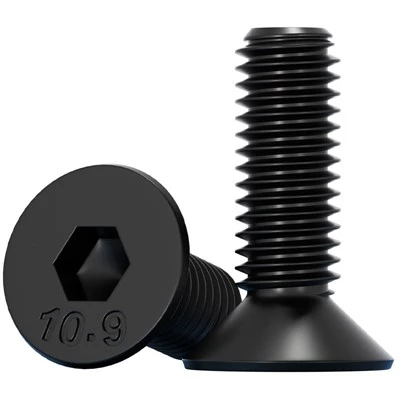
Hex bolts and nuts are typically marked with a grade symbol or number. For example, a common grade for carbon – steel hex bolts is Grade 8, which has high tensile and yield strength. When matching nuts with Grade 8 hex bolts, you should use nuts of the same or higher grade to ensure a proper load – sharing relationship.
Nut Type
There are several types of nuts available, each with its own unique features and applications. Some common types of nuts include:
- Hex Nuts: The most common type, used with hex bolts. They provide a secure connection and are easy to install and remove.
- Lock Nuts: Designed to prevent loosening due to vibration or other external forces. They often have a locking feature, such as nylon inserts or distorted threads.
- Wing Nuts: Have two wings that allow for hand – tightening without the need for tools. They are commonly used in applications where frequent adjustments are required.
The choice of nut type depends on the specific requirements of the application. For most general – purpose applications, hex nuts are sufficient. However, in applications where vibration is a concern, lock nuts may be necessary.
Step – by – Step Guide to Matching Nuts with Hex Bolts
- Identify the Bolt’s Thread Size and Pitch: Use a thread gauge or caliper to measure the diameter and pitch of the hex bolt. The thread size and pitch will be the key specifications for selecting the appropriate nut.
- Determine the Material and Grade: Check the markings on the hex bolt to determine its material and grade. This information will help you select a nut with compatible material and grade.
- Select the Nut Type: Based on the application requirements, choose the appropriate type of nut. Consider factors such as vibration, ease of installation, and frequency of adjustment.
- Verify the Fit: Before final installation, test the fit of the nut on the bolt. The nut should thread onto the bolt smoothly without excessive resistance or looseness. If the fit is not correct, double – check the thread size, pitch, and other specifications.
Real – World Applications and Examples
Let’s take a look at some real – world applications where proper matching of nuts with hex bolts is crucial.
Automotive Industry
In the automotive industry, hex bolts and nuts are used to assemble various components, such as engines, transmissions, and suspension systems. Proper matching of fasteners is essential to ensure the safety and reliability of the vehicle. For example, when assembling an engine block, high – strength hex bolts and nuts are used to secure the cylinder head. The bolts and nuts must be of the correct thread size, pitch, material, and grade to withstand the high temperatures and pressures within the engine.
Construction Industry
In construction, hex bolts and nuts are used to connect structural steel members, such as beams and columns. The fasteners must be properly matched to ensure the stability of the structure. For instance, in a high – rise building, large – diameter hex bolts and nuts are used to connect the steel frames. These fasteners must be able to withstand the weight of the building and external forces such as wind and seismic activity.
Conclusion
Matching nuts with hex bolts is a critical process that requires careful consideration of various factors, including thread size and pitch, material compatibility, grade and strength, and nut type. By following the guidelines outlined in this blog, you can ensure a proper and secure connection in your projects.
If you’re in need of high – quality hex bolts and nuts for your next project, I’d be more than happy to assist you. As a reliable hex bolt supplier, I offer a wide range of fasteners in different sizes, materials, and grades to meet your specific requirements. Whether you’re working on a small DIY project or a large – scale industrial application, I can provide you with the right products at competitive prices.
Building Anchor Feel free to reach out to me to discuss your procurement needs. I’m always ready to have a detailed conversation about your project and offer the best solutions. I look forward to the opportunity to work with you and contribute to the success of your projects.
References
- "Fasteners Handbook" by Industrial Press Inc.
- ASTM International Standards for Fasteners
- Machinery’s Handbook, 31st Edition
Handan Dongchao Hardware Products Co., Ltd.
As one of the most professional hex bolt manufacturers and suppliers in China, we have world-leading production equipment and strong manufacturing capabilities. Please feel free to wholesale bulk high quality hex bolt in stock here and get pricelist from our factory. Customized orders are welcome.
Address: West of Xiaobeizhuang Village, South of Beizhangzhuang Village, Hanshan District, Handan City
E-mail: david@dcscrews.com
WebSite: https://www.dc-screws.com/
