As a supplier of refrigerant hoses, I understand the paramount importance of ensuring the integrity of these critical components in refrigeration and air – conditioning systems. Refrigerant hoses play a vital role in transporting refrigerants under various operating conditions, and any leakage or failure can lead to inefficiencies, system malfunctions, and environmental impacts. In this blog, I will share some effective methods for testing the integrity of refrigerant hoses. Refrigerant Hose
Visual Inspection
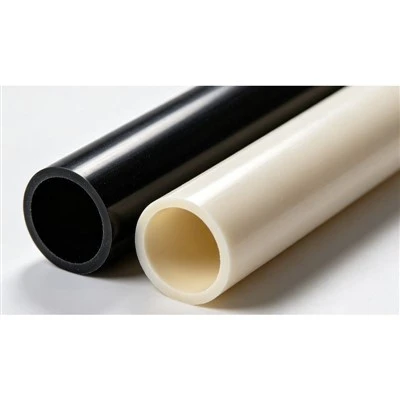
The first and most basic step in testing a refrigerant hose’s integrity is a thorough visual inspection. This should be conducted regularly, whether during the manufacturing process, before installation, or as part of routine maintenance.
When examining the hose, look for any visible signs of damage. Cracks are a major concern. They can occur due to factors such as age, exposure to extreme temperatures, or mechanical stress. Even small cracks can lead to refrigerant leaks over time. Check the entire surface of the hose, including bends and connections, as these areas are more prone to cracking.
Bulges or swellings are also red flags. A bulge might indicate internal damage, such as a weakened inner layer of the hose due to chemical degradation or excessive pressure. Abrasions on the outer surface can eventually wear through the protective layer, exposing the inner structure and increasing the risk of leaks.
In addition, inspect the hose fittings. Loose or corroded fittings can cause leaks at the connection points. Make sure the fittings are properly tightened and show no signs of rust or other forms of corrosion. If any visual defects are detected during the inspection, the hose should be removed from service and replaced immediately.
Pressure Testing
Pressure testing is a widely used and reliable method for assessing the integrity of refrigerant hoses. This test involves subjecting the hose to a higher – than – normal operating pressure to check for any leaks.
Before conducting a pressure test, it is essential to ensure that the hose is properly installed and sealed at both ends. Connect one end of the hose to a pressure – testing apparatus, which can be a simple hand – operated pump or a more sophisticated automated system. The other end should be closed off using an appropriate plug or cap.
The test pressure should be determined based on the specifications of the hose. Typically, it is set at a value higher than the maximum operating pressure of the refrigerant system, but not exceeding the hose’s rated pressure. For example, if the refrigerant system operates at a maximum pressure of 300 psi, the test pressure might be set at 400 psi to provide a safety margin.
Once the pressure is applied, monitor the pressure gauge on the testing apparatus for a specific period, usually around 10 – 15 minutes. A significant drop in pressure during this time indicates a leak in the hose. If a leak is detected, it is necessary to locate the source of the leak. This can be done by using a soap – solution test. Apply a soapy solution to the hose and its fittings. Bubbles will form at the location of the leak, making it easy to identify.
It is important to note that after pressure testing, the hose should be carefully depressurized to avoid any sudden release of pressure, which could cause damage to the hose or the testing equipment.
Vacuum Testing
Vacuum testing is another effective way to test the integrity of refrigerant hoses. This method is particularly useful for detecting small leaks that might not be easily detectable through pressure testing.
To perform a vacuum test, first, connect the hose to a vacuum pump. The pump is used to evacuate the air from the hose, creating a vacuum. The goal is to achieve a very low pressure inside the hose, typically in the range of 500 microns or less.
Once the vacuum is established, close off the connection to the vacuum pump and monitor the pressure inside the hose for a period of time, usually around 30 minutes to an hour. If the pressure inside the hose starts to increase during this time, it indicates that there is a leak in the hose, allowing air to enter.
The advantage of vacuum testing is its high sensitivity. It can detect even the smallest leaks, which can be crucial in preventing refrigerant losses over time. However, it requires specialized equipment and a certain level of expertise to perform accurately.
Helium Leak Testing
For applications where extremely high levels of leak detection are required, helium leak testing is the preferred method. Helium is a very small molecule that can easily penetrate through tiny leaks, making it an ideal tracer gas for detecting leaks in refrigerant hoses.
The helium leak testing process involves placing the hose in a sealed chamber. The chamber is then evacuated, and helium is introduced into the inside of the hose. A helium mass spectrometer is used to detect any helium that escapes from the hose into the surrounding chamber.
This method can detect leaks as small as 1 x 10⁻⁹ mbar·l/s, which is far more sensitive than pressure or vacuum testing. However, helium leak testing is also more expensive and time – consuming, as it requires specialized equipment and a controlled testing environment.
Material Testing
In some cases, it might be necessary to conduct material testing on refrigerant hoses to ensure their long – term integrity. This can involve testing the physical and chemical properties of the hose materials.
Tensile strength testing is one such test. It measures the maximum amount of stress a hose can withstand before breaking. A hose with low tensile strength is more likely to fail under normal operating conditions, especially if it is subjected to mechanical stress.
Chemical resistance testing is also important, as refrigerant hoses are often exposed to various chemicals, including refrigerants and lubricants. The hose materials should be able to resist the chemical attack of these substances to prevent degradation over time.
In addition, aging tests can be conducted to simulate the long – term effects of environmental factors such as heat, humidity, and UV radiation on the hose materials. By subjecting the hoses to accelerated aging conditions, it is possible to predict their service life and identify any potential issues before they occur in real – world applications.
Importance of Testing for Suppliers
As a refrigerant hose supplier, rigorous testing of our products is not only a quality control measure but also a way to build trust with our customers. By ensuring the integrity of our refrigerant hoses, we can provide our customers with reliable products that meet their performance requirements.
Testing helps us identify any potential manufacturing defects early in the production process, allowing us to take corrective actions and prevent defective products from reaching the market. This not only reduces the risk of product recalls but also enhances our reputation as a reliable supplier.
Moreover, by offering hoses that have been thoroughly tested, we can meet the strict regulatory requirements regarding refrigerant leakage and environmental protection. This is becoming increasingly important as governments around the world are implementing more stringent regulations to reduce the environmental impact of refrigerants.
Conclusion
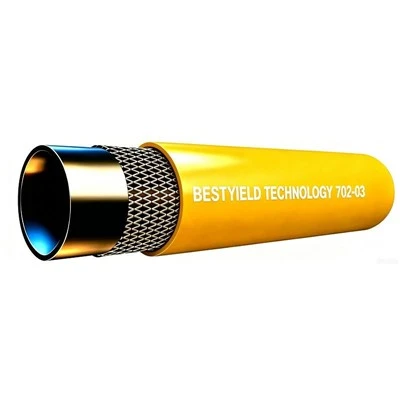
Testing the integrity of refrigerant hoses is a multi – faceted process that involves a combination of visual inspection, pressure testing, vacuum testing, helium leak testing, and material testing. Each method has its own advantages and limitations, and the choice of method depends on the specific requirements of the application.
Molded Part As a refrigerant hose supplier, we are committed to ensuring the highest quality of our products through comprehensive testing. Our customers can rely on our hoses to perform effectively and safely in their refrigeration and air – conditioning systems. If you are in the market for high – quality refrigerant hoses and would like to discuss your specific needs or place an order, we encourage you to reach out to us for a detailed consultation. We look forward to serving you and helping you find the perfect refrigerant hose solutions for your business.
References
- ASHRAE Handbook – Refrigeration Systems and Applications.
- ISO standards related to refrigerant hoses and testing methods.
- Industry white papers on refrigerant hose integrity and testing.
BESTYIELD Technology (Huizhou) Co., Ltd.
BESTYIELD Technology (Huizhou) Co., Ltd. is one of the most professional refrigerant hose manufacturers and suppliers in China, featured by quality products and good price. Please rest assured to buy durable refrigerant hose made in China here and get quotation from our factory. Customized orders are welcome.
Address: Yinshan Industrial Zone, Liangjing Town, Huiyang District, Huizhou City, Guangdong Province
E-mail: rick@bestyield.net
WebSite: https://www.bestyield.org/
