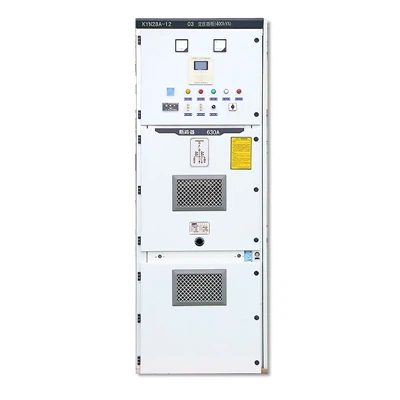
As a seasoned provider of high-voltage switchgear, I understand the critical role these components play in power systems. High-voltage switchgear is essential for controlling, protecting, and isolating electrical equipment in high-voltage power networks. Ensuring its proper maintenance is not only crucial for the safety and reliability of power distribution but also for the long – term cost – effectiveness of the entire electrical infrastructure. In this blog, I’ll share some in – depth insights on how to maintain high – voltage switchgear. High-Voltage Switchgear
1. Regular Visual Inspections
Visual inspections are the first line of defense in maintaining high – voltage switchgear. They should be carried out at regular intervals, depending on the operating environment and the usage intensity of the switchgear.
When conducting a visual inspection, start by checking the exterior of the switchgear. Look for any signs of physical damage such as cracks, dents, or corrosion on the enclosure. Corrosion can weaken the structural integrity of the enclosure and may lead to ingress of moisture and dust, which can cause electrical failures. Pay special attention to areas where the enclosure is exposed to the elements or industrial pollutants.
Inside the switchgear, inspect the busbars for any signs of overheating. Discoloration or warping of the busbars can be an indication of excessive current flow or poor connections. These issues can lead to increased resistance, which in turn generates more heat. Overheating can degrade the insulation of the busbars and nearby components, posing a significant risk of electrical faults.
Also, check the condition of the insulation materials. Insulation is vital for preventing electrical leakage and short – circuits. Look for any signs of damage, such as cracking, charring, or tracking on the insulation surfaces. Any damage to the insulation should be addressed immediately to avoid potential safety hazards.
2. Cleaning and Dust Removal
Dust and dirt can accumulate on the components of high – voltage switchgear over time, which can have a negative impact on its performance. Dust can act as an insulator and trap heat, leading to overheating. It can also accumulate moisture, which can cause corrosion and electrical breakdown.
To clean the switchgear, use appropriate cleaning tools and materials. For external surfaces, a soft brush or a compressed air blower can be used to remove loose dust. For internal components, a non – conductive cleaning solution can be applied carefully with a lint – free cloth. Avoid using abrasive materials that could scratch the insulation or components.
It’s important to clean hard – to – reach areas, such as behind circuit breakers and in the corners of the enclosure. Regular cleaning not only improves the performance of the switchgear but also makes it easier to identify any potential problems during visual inspections.
3. Testing and Monitoring
Testing and monitoring are essential for detecting hidden problems in high – voltage switchgear. Various types of tests can be performed, including dielectric tests, contact resistance tests, and operating mechanism tests.
Dielectric tests are used to assess the integrity of the insulation system. These tests apply a high voltage to the insulation to check for any leakage current. If the leakage current exceeds the acceptable limit, it indicates a problem with the insulation, which could lead to an electrical breakdown.
Contact resistance tests are carried out on the contacts of circuit breakers and other switching devices. High contact resistance can cause overheating and excessive wear of the contacts. By measuring the contact resistance, any abnormal values can be identified early, and the contacts can be cleaned or replaced if necessary.
The operating mechanism of the switchgear, such as the opening and closing mechanism of circuit breakers, should also be tested regularly. The mechanism’s movement should be smooth and within the specified time limits. Any abnormal movement or delays can be a sign of mechanical wear or damage, which needs to be addressed promptly to ensure the reliable operation of the switchgear.
In addition to periodic testing, continuous monitoring can be implemented using advanced sensors and monitoring systems. These systems can provide real – time data on parameters such as temperature, current, and voltage. By analyzing this data, potential issues can be predicted and preventive maintenance can be carried out before a failure occurs.
4. Lubrication and Adjustment
Many components of high – voltage switchgear, such as moving parts in the operating mechanism, require proper lubrication. Lubrication reduces friction between the moving parts, which extends their service life and ensures smooth operation.
Use the appropriate lubricant recommended by the switchgear manufacturer. Apply the lubricant at the specified intervals and in the correct amount. Over – lubrication can attract dust and dirt, while under – lubrication can cause excessive wear and increased friction.
Adjustment of the components is also necessary. For example, the contact pressure of circuit breakers needs to be adjusted to ensure proper electrical contact. Incorrect contact pressure can lead to high contact resistance and overheating. Periodically check and adjust the settings of relays and other protective devices to ensure they are functioning correctly and providing the necessary protection for the switchgear and the connected electrical equipment.
5. Training and Documentation
Maintenance staff should receive proper training on the specific high – voltage switchgear they are working on. They need to understand the design, operation, and maintenance requirements of the switchgear. Training should cover topics such as safety procedures, testing methods, and troubleshooting techniques.
Comprehensive documentation is also crucial. Keep detailed records of all maintenance activities, including inspections, tests, repairs, and replacements. These records can provide valuable information for future maintenance and can help in identifying recurring problems. They can also be used to demonstrate compliance with regulatory requirements.
6. Emergency Response Planning
Despite all preventive maintenance measures, emergencies can still occur. It’s important to have an emergency response plan in place. This plan should outline the steps to be taken in case of a switchgear failure, such as a short – circuit or an arc flash.
The plan should include procedures for safely isolating the faulty switchgear, minimizing damage to the electrical system, and protecting personnel. Regular drills should be conducted to ensure that all relevant staff are familiar with the emergency response procedures.
7. Working with a Reliable Supplier
As a high – voltage switchgear supplier, I emphasize the importance of working with a reliable partner. A good supplier can provide high – quality switchgear products, comprehensive technical support, and access to spare parts.
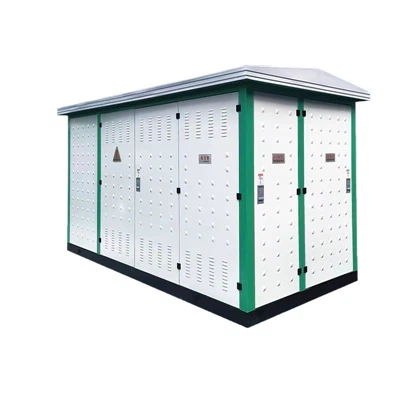
We understand the unique requirements of different industries and power systems. Our products are designed and manufactured to meet the highest international standards, ensuring their reliability and safety. We also offer on – site installation guidance and after – sales service to assist our customers in the proper operation and maintenance of our switchgear.
Low-Voltage Switchgear If you are in the market for high – voltage switchgear or need to improve your switchgear maintenance practices, I encourage you to get in touch with us. Our team of experts is ready to discuss your specific needs, provide customized solutions, and support you in ensuring the long – term performance of your electrical infrastructure. Whether you are a small – scale business or a large utility company, we have the expertise and resources to meet your requirements.
References
- Electrical Power System Components Handbook (Author – unspecified, Publisher – unspecified)
- High – voltage Switchgear: Design, Operation, and Maintenance Manual (Author – unspecified, Publisher – unspecified)
Jiangxi Yihong Electric Power Technology Co., Ltd.
As one of the most experienced high-voltage switchgear manufacturers and suppliers in China, we also support customized service. We warmly welcome you to buy high quality high-voltage switchgear from our factory. If you have any enquiry about pricelist, please feel free to email us.
Address: Chating Industrial Park, Guangxin District, Shangrao City, Jiangxi Province
E-mail: 15779933057@163.com
WebSite: https://www.yihcn.com/
