If you’ve ever walked through a lush commercial greenhouse, tended to a backyard vegetable garden, or admired the uniform height of a field of ornamental flowers, you’ve probably interacted with the work of plant growth regulators (PGRs) — and not even realized it. As a supplier who’s spent the last decade working with growers, small and large, I’ve seen firsthand how these complex compounds don’t just “change” plants — they speak to the inherent, hidden instructions already inside every seed, stem, and leaf. Let me break down how PGRs shape plant development, what I’ve learned in our work supporting farmers and horticulturists, and why they’re not just a tool — but a partner in growing healthier, more resilient plants. Plant Growth Regulator
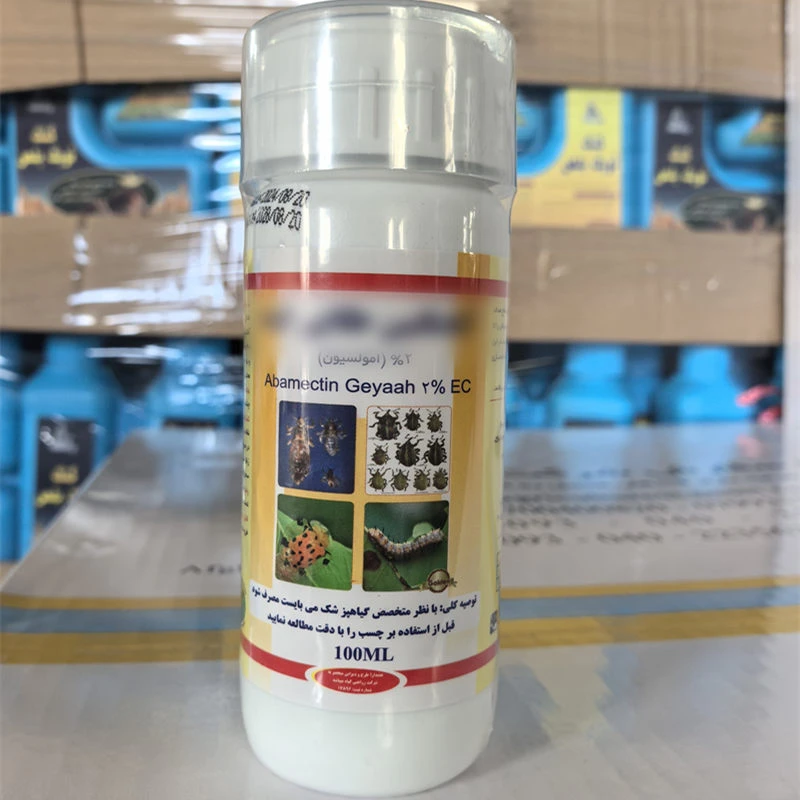
First, let’s ground this in basic plant biology, because PGRs don’t work by magic; they work by mimicking or modulating the hormones plants produce naturally. Every plant has five core hormones that drive development: auxins, gibberellins, cytokinins, abscisic acid (ABA), and ethylene. Each has a specific job: auxins guide root growth and shoot bending toward light, gibberellins trigger stem elongation and seed germination, cytokinins stimulate cell division and delay leaf aging, ABA regulates dormancy and stress responses, and ethylene controls fruit ripening and flower wilting. PGRs are synthetic or naturally derived compounds that interact with these hormone pathways to adjust growth — often in ways natural hormones can’t, because they might degrade too quickly or not be potent enough for large-scale production.
Take auxin-based PGRs, for example. Early in my time in the industry, I worked with a tomato grower in southern Ohio who was struggling with blossom drop — a common issue where unripe flowers fall off before setting fruit, cutting their yield by nearly 30% season after season. The problem? Hot summer temps were throwing off the plant’s natural auxin production, which signals the flower to form a fruit. We recommended an auxin-based PGR that mimics indole-3-butyric acid (IAA), the most common natural auxin. When applied at the right time — right after the first flower opened — it stabilized the hormone signal, kept the flowers from dropping, and boosted their yield by 22% that year. That’s the kind of tangible impact PGRs can have: fixing a specific flaw in a plant’s natural development that environmental conditions break.
Another key class is gibberellins, which are game-changers for growers dealing with stunted growth. I’ve worked with a nursery that specialized in compact, flowering azaleas for retail. Without a gibberellin inhibitor, azaleas would grow too tall too quickly, getting leggy and failing to fit on store shelves. The inhibitor works by blocking the plant’s own gibberellin production, shortening internodes (the space between leaves) and creating a dense, full shape that customers want. What’s surprising, though, is that this doesn’t harm the plant’s overall health — in fact, it often encourages more flower buds, because the plant puts energy into blooming instead of stretching upward. Last year, that nursery switched to our organic-approved gibberellin inhibitor, and their retail sales of azaleas went up 18% because their plants looked more uniform and attractive.
Cytokinins are less talked about, but they’re critical for propagation and stress recovery. If you’ve ever rooted a plant cutting in water, you might have used a cytokinin mix to encourage new root growth — same idea, but scaled up for commercial growers. We supply a cytokinin-based product that’s used by a berry farm to propagate new strawberry plants. Strawberry runners (the long stems that grow from the main plant) naturally root on their own, but only a small percentage make it to healthy plants. By applying a dilute cytokinin solution to the cut ends of the runners before planting, they boosted rooting success by 40%. Cytokinins also help plants survive drought, another trick we’ve shared with wheat farmers in the Great Plains. When applied during dry spells, cytokinins delay leaf senescence (aging) so the plant keeps producing energy even when water is scarce. We’ve seen those farms reduce crop loss by 15% in severe drought years.
Then there’s ABA and ethylene, two PGRs that are all about timing. ABA is often called the “stress hormone,” and synthetic ABA is used to help plants survive transplant shock — a huge issue for tree nurseries and vegetable growers. When you dig up a plant to move it, the roots are damaged, and the plant can’t take up water, leading to wilting or death. A spray of synthetic ABA before transplanting tells the plant to close its leaf pores (stomata) to reduce water loss, giving the roots time to reattach and start absorbing water again. I worked with a Christmas tree farm a few years back that was losing 25% of their young spruce trees during transplant from the nursery to the field. After switching to our synthetic ABA product, their transplant loss dropped to 5%, saving them thousands of dollars in lost stock.
Ethylene is more polarizing, because it’s the hormone that makes fruit ripen — but that can be both good and bad. For fruit growers, too much ethylene can cause over-ripening and rot, so we supply ethylene inhibitors that delay ripening for apples and bananas during shipping. For cut flower growers, ethylene makes blooms wilt early, so an ethylene inhibitor spray keeps roses and carnations fresh for 2-3 days longer, extending their shelf life. But we also supply ethylene-promoting PGRs for mango and pineapple growers, where controlled ripening means all fruit is ready to harvest at the same time, instead of ripening sporadically over weeks. That uniformity is key for grocery stores, which need consistent shipments to stock shelves.
Now, I know what some people think: aren’t PGRs bad for plants, or even for humans? That’s a question we get all the time, especially from organic growers and home gardeners. Let me be clear: when used correctly, PGRs are not harmful to plants, pets, or people — and many of our products are OMRI-listed, meaning they meet organic standards. The key is application rate, timing, and method. Too much auxin, for example, can cause twisted, stunted growth; too much gibberellin can make plants grow too tall and weak, prone to breaking in wind. That’s why we work closely with every customer, not just sell them a product. We test soil and leaf samples, walk their fields, and adjust application rates based on their specific crop, climate, and goals. We never push a one-size-fits-all solution, because every grower’s needs are different.
Take a small organic vegetable farm in Vermont that wanted to grow taller sunflowers for their community stand, instead of the short, compact varieties that are common in retail. They thought PGRs were only for large industrial farms, but we recommended a low-dose gibberellin product that’s approved for organic use. Applied when the sunflowers were 12 inches tall, it made them grow 2 feet taller without making them leggy or weak. They sold out of sunflowers at their stand that year, something they’d never done before. That’s the kind of success we care about: helping small operations compete with larger ones without sacrificing their values.
Over the years, we’ve also adapted our products to meet changing needs. As climate change brings more extreme heat, drought, and heavy rains, growers are turning to PGRs not just for yield, but for resilience. Last year, we developed a mixed PGR product that combines auxins, cytokinins, and a small dose of ABA, specifically designed to help corn and soybeans survive mid-season heatwaves. Early trials showed that corn treated with the product had 10% higher yields during a heatwave, because it retained more water and kept producing grain instead of aborting it. It’s not a fix-all, but it’s a tool that works with plants, not against them.
Here’s what I want growers to understand: plant growth regulators aren’t about “controlling” plants. They’re about working with their natural biology to help them reach their full potential, even when the environment is working against them. I’ve seen a grower go from losing $10,000 worth of tomatoes a year to turning a profit, a nursery that went from closing every winter due to low sales to expanding their retail space, and a small farm that now hires extra staff because their yield is high enough to support a CSA. All of that started with the right PGR, applied at the right time, in the right way.
Oxyfluorfen If you’re a grower — whether you have a 10-acre vegetable farm, a small nursery, or a commercial greenhouse — and you’re curious if PGRs could help your plants grow stronger, yield better, or handle tough conditions, we’d love to talk. No pushy sales pitch, no hidden fees, just honest advice and products tailored to your needs. Connect with our team to schedule a walkthrough of your fields or greenhouse, and let’s figure out what works best for your crops.
References
- Davies, P. J. (2010). Plant Hormones: Physiology, Biochemistry, and Molecular Biology. Springer.
- Rademacher, W. (2015). Plant Growth Regulators: From Research to Application. Annual Review of Plant Biology, 66, 517-550.
- Taiz, L., Zeiger, E., Møller, I. M., & Murphy, A. (2022). Plant Physiology and Development (7th ed.). Sinauer Associates.
- Stewart, A. M., & Guerin, J. R. (2021). The Role of Synthetic Plant Growth Regulators in Sustainable Agriculture. Journal of Agricultural and Food Chemistry, 69(32), 9017-9026.
Changzhou Dayilong Bio-Tech Co., Ltd.
With abundant experience, we are one of the most professional plant growth regulator manufacturers and suppliers in China. Please rest assured to buy bulk high quality plant growth regulator made in China here from our factory. Good service and reasonable price are available.
Address: Hundsun Science & Technology Park 3-1, BeiTangHe Road 8, Tianning District, Changzhou City, Jiangsu, China
E-mail: Sales@dayilongbio-tech.com
WebSite: https://www.dayilongagro-chemical.com/
