If you’ve ever stood next to a vibrating screening machine in a food processing plant, watched a filtration system purify oil in a manufacturing facility, or even breathed air filtered through a high-grade HVAC system, chances are you’ve encountered sintered wire mesh—though you probably didn’t notice it. As someone who’s spent the last 12 years sourcing, testing, and supplying sintered wire mesh materials and custom filter components to clients across industries, I’ve learned that the magic of this versatile product starts long before it’s woven, sintered, and assembled into the parts you need. A question I get asked more than any other, whether by a first-time engineer designing a water treatment line or a seasoned facility manager looking to upgrade their dust collection system, is: “What materials are actually used to make sintered wire mesh?” It’s a fair question, because the material you choose isn’t just a detail—it’s the difference between a filter that lasts six months and one that performs for six years. Below, I’ll break down the most common materials we work with, how they perform, and when to pick each one, based on real-world use cases I’ve seen firsthand. Sintered Wire Mesh Material and Filter
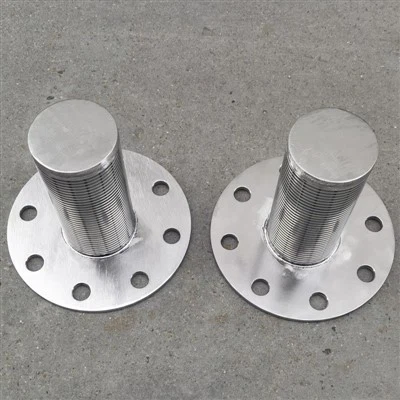
First, let’s start with the basics: what is sintered wire mesh, anyway? For anyone new to the term, it’s not just regular wire mesh melted together. It’s made by weaving thin metal wires into a precise, uniform weave pattern, then heating that mesh to a temperature below the metal’s melting point (a process called sintering) so the wires fuse at their contact points without losing their individual shape. That fusion is critical because it creates a rigid, porous structure that’s strong enough to withstand high pressure, temperature, and chemical exposure, while still offering consistent, controlled filtration. The material you use for those wires dictates every single property of the final mesh—from corrosion resistance to strength to how well it handles high heat. Let’s dive into the most widely used options, starting with the workhorse of the sintered wire mesh industry.
Stainless steel is, without a doubt, the most common material we supply for sintered wire mesh, and for good reason. It’s the Swiss Army knife of sintered materials, balancing strength, corrosion resistance, affordability, and ease of fabrication in a way no other material can match. Most stainless steel sintered wire mesh we work with is 300-series stainless steel, specifically 304 and 316 grades. Let’s break those two down, because they’re not interchangeable. 304 stainless steel is the standard go-to for general applications. It’s made from 18% chromium and 8% nickel, which gives it solid resistance to everyday corrosion from water, mild acids, food oils, and atmospheric conditions. I remember a client a few years back who runs a small craft brewery—they needed a mesh for filtering spent grain and yeast out of their beer, and 304 was perfect. It didn’t react with the beer’s pH level, it could handle the repeated high-temperature rinsing of their sanitation process, and it was much more affordable than other grades. That said, 304 has a weakness: it’s not great at resisting chloride exposure. If you’re working with salt water, brine solutions, or even water with moderate salt content, 304 will start to corrode over time, especially in hot or humid environments. That’s where 316 stainless steel comes in. It adds 2% molybdenum to the 304 formula, which shifts its corrosion resistance entirely. Suddenly, it can handle salt water, pharmaceutical solutions, even mild caustic chemicals. A client in the offshore oil and gas industry comes to mind—they needed mesh for filtering produced water that was laced with salt and small amounts of hydrogen sulfide. 304 would have rusted through in a year, but 316 sintered wire mesh lasted their full three-year service contract with no issues. We also work with 300-series grades like 316L, which has lower carbon content to prevent intergranular corrosion during welding or high-temperature sintering, making it ideal for applications where the mesh will be exposed to prolonged heat. For really extreme environments, we can source 309 or 310 stainless steel, which have even higher chromium and nickel content for resistance to very high temperatures, but those are less common because they come with a steeper price tag.
Next up is copper and copper alloys, a material I don’t sell as much of as stainless steel, but one that’s irreplaceable for very specific jobs. Copper has a unique set of properties: it’s highly conductive, both thermal and electrical, it has excellent antimicrobial qualities, and it’s very malleable, so it’s easy to weave into fine, precise meshes. The most common copper alloy for sintered wire mesh is phosphor bronze, which adds tin and phosphorus to copper to boost its strength and corrosion resistance, making it more durable than pure copper. I’ve seen copper sintered wire mesh used primarily in two industries: food and beverage, and electronics. The antimicrobial property is a big draw for food processing—copper kills bacteria like E. coli and Salmonella on contact, which is a huge benefit for surfaces that come into regular contact with food. A snack food manufacturer we worked with a couple years back used copper sintered mesh in their mixing stations, because it reduced the need for harsh chemical sanitizers and cut down on foodborne contamination risks. In electronics, copper sintered mesh is used for heat sinks and electromagnetic interference (EMI) shielding—its high thermal conductivity means it pulls heat away from sensitive components fast, and its electrical conductivity blocks unwanted radio signals. That said, copper does have some downsides. It’s more prone to corrosion in acidic environments, and it’s not as strong as stainless steel, so it can’t handle the high-pressure applications that stainless steel works well for. It’s also more expensive than 304 stainless steel, so it’s reserved for jobs where its unique properties are worth the premium.
Aluminum is another metal we supply on a regular basis, though again, for specific use cases. Aluminum is lightweight, highly conductive, and naturally forms a thin, protective oxide layer that gives it decent corrosion resistance. The key here is that we use pure aluminum and aluminum alloys like 1100 aluminum, which is the most common grade for sintered wire mesh. The big selling point for aluminum is its low weight—for applications where minimizing weight is critical, like aerospace or automotive components, aluminum is a no-brainer. I worked with an aerospace parts supplier a few years ago who needed sintered wire mesh for a fuel system filter. They couldn’t use steel because it would add too much weight to the aircraft, so aluminum was the perfect fit. It could handle the fuel’s chemical properties, it was strong enough for the system’s pressure requirements, and it cut down on the overall weight of the part, which helped improve fuel efficiency. Aluminum also has great thermal conductivity, so it’s used in heat exchangers and engine components that need to dissipate heat quickly. That said, aluminum has a lower melting point than stainless steel or copper, around 1220°F (660°C), so it can’t handle high-temperature applications over that threshold. It’s also more prone to corrosion in alkaline environments, and it’s not as strong as stainless steel, so it’s not ideal for high-pressure, heavy-duty use. For lightweight, low-stakes applications, though, aluminum is unbeatable.
Now, let’s talk about a more niche material, but one that’s growing in popularity every year: nickel and nickel alloys. Nickel is a tough, versatile metal that’s resistant to corrosion from a wide range of chemicals, including strong acids and caustics, and it can handle extremely high temperatures—up to 2000°F (1093°C) or more, depending on the alloy. The most common nickel alloy we work with is Hastelloy, a family of nickel-molybdenum-chromium alloys that are famous for their resistance to corrosive environments that would eat through stainless steel. We supply nickel sintered wire mesh primarily for chemical processing and pharmaceutical applications. A pharmaceutical client came to us a while back who was working on a new drug formulation that used a strong acid solvent. Their previous filter, made of 316 stainless steel, had started to corrode after only a few months, ruining batches of their product. We switched them to Hastelloy C-276 sintered wire mesh, which is resistant to that specific acid, and they haven’t had a corrosion issue in three years. Nickel alloys like Inconel are also used in high-temperature applications, like gas turbine filters and furnace components, where temperatures are too high for stainless steel. The downside, as you might expect, is that nickel and Hastelloy are much more expensive than stainless steel, so they’re only used when the application demands their unique resistance properties. They’re also more difficult to work with during the sintering process, since they require precise temperature control to avoid warping, but the end result is a mesh that lasts much longer than cheaper alternatives in extreme environments.
Wait, I should also mention polymer materials, right? A lot of people don’t realize that sintered wire mesh doesn’t have to be metal—we also supply sintered polymer fiber mesh, made from materials like polypropylene, polyethylene, and PTFE (Teflon). These are plastic polymers that are melted and sintered, just like metal, to create a porous mesh. Polymer sintered mesh is lightweight, chemically inert, and very flexible, which makes it ideal for applications where corrosion resistance is needed but metal is too heavy or expensive. PTFE is especially popular for high-temperature, high-chemical applications—it can handle temperatures up to 500°F (260°C) and is resistant to almost every chemical on the market. We’ve supplied PTFE sintered mesh to a water treatment plant that processes industrial wastewater with very high pH levels; polymer mesh didn’t corrode, and it was much cheaper than nickel alloy for that specific job. The downside of polymer mesh is that it can’t handle high pressure or temperatures above its threshold, and it’s not as strong as metal, so it’s not used for heavy-duty applications.
Over the years, I’ve learned that the biggest mistake people make when choosing a material for sintered wire mesh is going for the cheapest option without considering the application. I had a client a few years back who saved $2,000 upfront by choosing 304 stainless steel mesh for a saltwater desalination project, only to have the mesh corrode through in 18 months, costing them $50,000 in downtime and replacement parts. That’s the kind of experience that sticks with you, and it’s why we always work closely with clients to match the right material to their specific needs—temperature, pressure, chemical exposure, budget, and performance requirements all play a role.
Now, if you’re looking for sintered wire mesh, whether it’s for a new project or to replace worn-out filters, the good news is that there’s a material for almost every need. Stainless steel remains the go-to for most general applications, copper and copper alloys for antimicrobial and EMI/thermal needs, aluminum for lightweight jobs, nickel alloys for extreme chemical and high-temperature environments, and polymers for flexible, corrosion-resistant uses. If you’re not sure which material is right for your project, don’t hesitate to reach out to discuss your requirements.

To learn more about our sintered wire mesh materials and custom filter solutions, and to discuss how to match the right material to your application, feel free to contact our team to start a purchasing conversation.
Sintered Fibre Felt Material and Filter References
- ASM International. (2007). Sintering of Metals: Fundamentals, Technology, and Applications. ASM Handbook, Volume 7: Powder Metallurgy.
- Davis, J. R. (Ed.). (2000). Stainless Steels. ASM International.
- Donachie, M. J., Jr. (2000). Nickel Alloys: A Guide to Properties and Applications. ASM International.
- Tattle, K. (2018). Sintered Filter Materials for Industrial Applications. Journal of Filtration Science and Technology, 18(3), 112-120.
- Water Environment Federation. (2020). Design and Operation of Industrial Water Treatment Systems. WEF Press.
Henan Easy Filter Equipment Co., Ltd.
As one of the leading sintered wire mesh material and filter manufacturers and suppliers in China, we offer a wide range of products with superior quality. Please rest assured to buy advanced sintered wire mesh material and filter from our factory. We also accept customized orders.
Address: Apartment No.1, Building No.2, Zhengshang Jinyushijia, Xinzhong Street, Xinxiang, Henan, China.
E-mail: vivian@easyfiltertech.com
WebSite: https://www.easyfilter-china.com/
